A Drainage Minute: The Reid & Pederson Drainage Blog
Why Basement Floor Drains Back Up During Heavy Rain (And How to Prevent It)
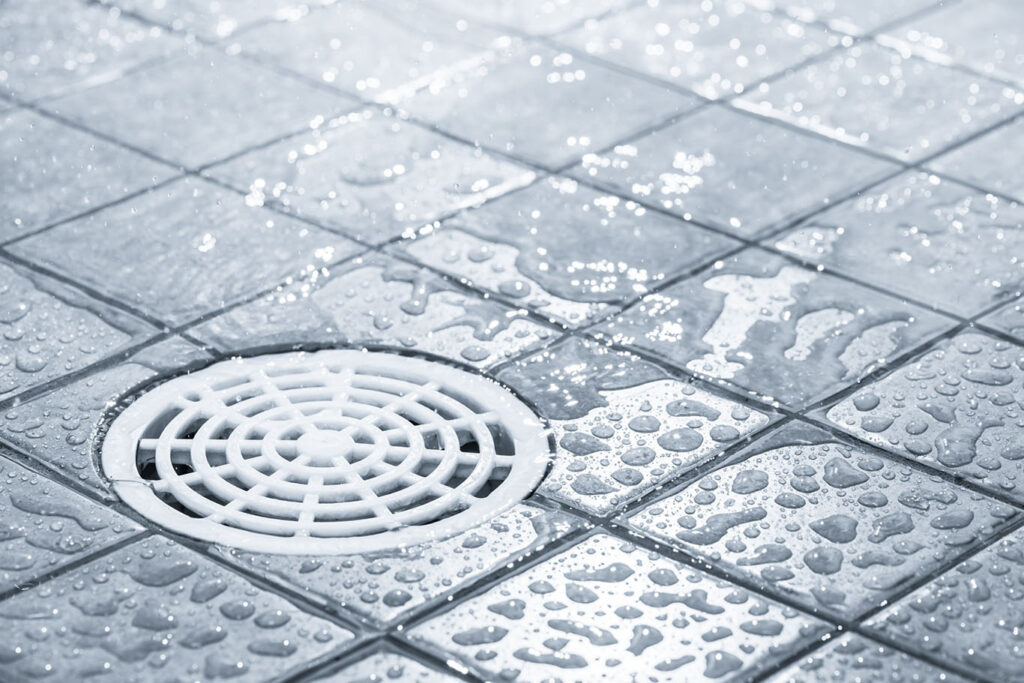
If your basement floor drain has ever gurgled, bubbled, or overflowed during a heavy rainstorm, you know how fast things can go from normal to stressful.
One minute everything’s fine; the next, there’s water creeping across your basement floor.
At Reid & Pederson Drainage, our drain and sewer specialists see this happen in homes across the South Suburbs of Chicago and Northwest Indiana every spring and summer.
The good news? In most cases, it’s preventable once you understand what’s going on.
What’s Actually Happening When Your Floor Drain Backs Up
Your basement floor drain isn’t a standalone fixture. It connects to your home’s main sewer line, which ties into either the municipal sewer system or your private lateral line.
During heavy rain, municipal systems can become overwhelmed with water. When that happens, the excess has nowhere to go—so it pushes back through the system.
Because your basement floor drain sits at the lowest point, it’s often the first place that water shows up.
A municipal backup (village or city) is different from a typical clog. The problem isn’t coming from inside your home—it’s coming from outside, forcing its way back in.
Why Some Homes Are More Vulnerable
Not every home experiences backups during storms. A few key factors increase the risk:
Partially blocked sewer lines
Grease buildup, tree roots, or debris can narrow your pipe just enough that storm surges push water back inside.
Older combined or gravity sewer systems
Many homes in the South Suburbs have gravity sewer systems that drain tile ties into. These systems are more prone to overload during heavy rain.
Low-lying properties
Homes at the bottom of slopes deal with more groundwater pressure during storms.
Deteriorating pipes
Cracks or aging lines allow groundwater to seep in, adding extra volume before rain even begins.
Quick Signs Your System May Be at Risk
- Gurgling or bubbling floor drains during rain
- Slow drains throughout the house
- Sewage odors in the basement
- Any history of past backups—even minor ones
If you’ve noticed any of these, your system is already under stress.
Why the Problem Gets Worse Over Time
Drain and sewer issues don’t stay the same—they almost always get worse.
Tree roots grow deeper. Grease and debris build up. Pipes continue to deteriorate.
A storm that caused a small gurgle a couple of years ago can easily lead to a full backup today. That’s how minor issues turn into flooded basements.
If you’ve had one backup before, the risk of a more serious one is significantly higher—until the underlying problem is fixed.
How to Prevent Basement Drain Backups
Preventing backups isn’t about one quick fix. It’s about making sure your system is ready before storm season hits.
1. Clean and inspect your sewer line
Annual sewer rodding clears out buildup from grease, roots, and debris. A video inspection lets you see exactly what’s happening inside your line so there are no surprises.
2. Make sure your sump pump is working
A sump pump removes groundwater before it builds pressure around your foundation. If you don’t have one, it’s worth considering—before your basement floods.
3. Replace sump pumps proactively
Sump pumps should typically be replaced every 5 years. These systems work hard during heavy rain and snowmelt, and a failing pump can quickly turn a manageable situation into a flooded basement.
4. Address pipe damage early
Cracked or deteriorated pipes allow extra water into your system during storms. Sewer lining can often repair the issue without digging up your yard, while more severe damage may require a full repair.
What to Do If You’ve Already Had a Backup
If your floor drain has backed up this season, don’t wait and hope it doesn’t happen again.
Have your system inspected to identify whether the issue is a blockage, pipe damage, or system overload. The sooner you know, the easier—and less expensive—it is to fix.
If your basement is actively flooding, that’s an emergency situation. Reid & Pederson offers 24/7 emergency drain and sewer service across the South Suburbs and Northwest Indiana.
New to the Home?
If you’ve recently purchased a home, it’s especially important to understand the condition of your sewer system.
We strongly recommend a sewer inspection and rodding, along with a sump pump evaluation. A technician can assess current conditions and provide recommendations to help you avoid a messy and costly backup.
Stay Ahead of Storm Season
Heavy rain is inevitable in the South Suburbs—but basement flooding doesn’t have to be.
A simple sewer cleaning, inspection, or system check before storm season can make the difference between a dry basement and a costly cleanup.
Don’t wait until the next storm tests your system.
Schedule a sewer inspection or cleaning with Reid & Pederson Drainage today!
South Suburbs

South Suburbs
NW Indiana
NW Indiana
Our Service Areas
Reliable Drain & Sewer Services Across South Suburban Illinois & Northwest Indiana
No matter where you are in the South Suburbs of Illinois or Northwest Indiana, our team is ready to provide top-tier drain and sewer services. From small residences to sprawling multi-unit complexes, we handle it all with efficiency, expertise, and care.