A Drainage Minute: The Reid & Pederson Drainage Blog
July Can Be the “Calm Before the Storm” for Preventative Sewer Rodding
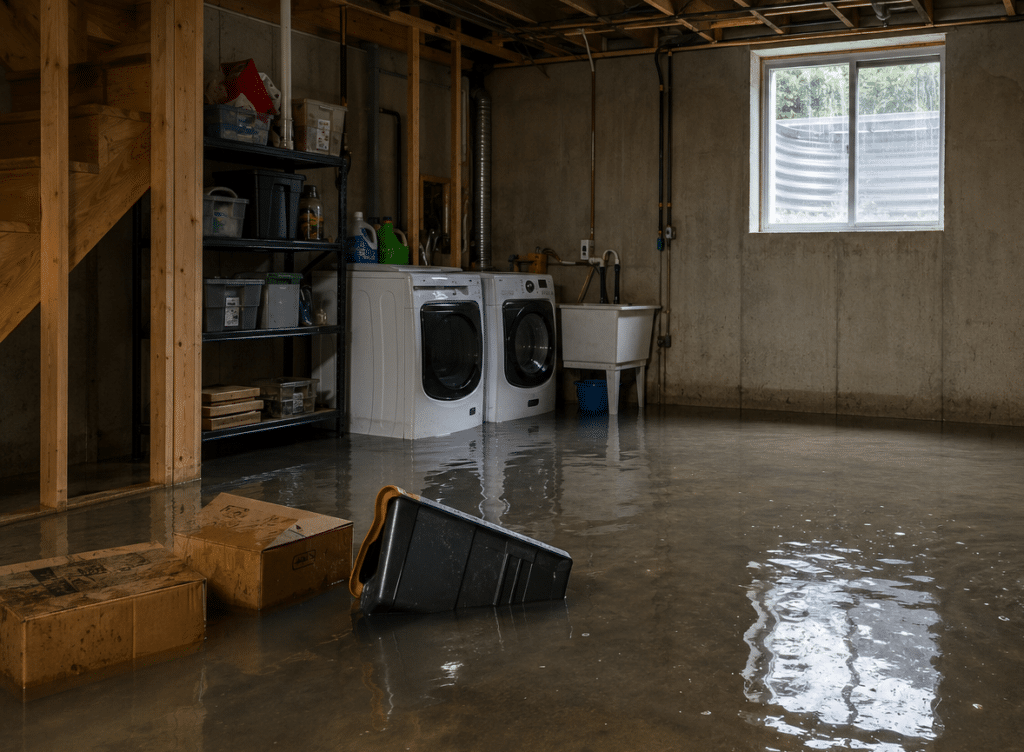
After an extremely wet and stormy spring, many homeowners are keeping a closer eye on their basements, floor drains, gutters, downspouts, and sump pumps. Heavy rain can quickly reveal drainage problems, especially if a sewer line already has roots, grease, debris, or buildup inside.
During the heavy June storms, the Reid & Pederson Drainage team serviced between 30 and 35 homes each day. Many of those calls were for flooded basements caused by failed sump pumps or sewers that had not been rodded in more than a year. Unfortunately, by the time heavy rain is pouring down and water is backing up, homeowners are often dealing with damage, stress, and emergency cleanup.
That’s why the calm before the next storm is the perfect time to think about preventative sewer rodding.
What is Sewer Rodding?
Sewer rodding — sometimes called sewer cleaning or drain rodding — is one of the simplest forms of preventative home maintenance you can do. A technician feeds a flexible metal cable through your sewer line to break up and clear out whatever has built up inside: roots, grease, sludge, and debris. Most homes benefit from having it done every one to two years, and the process typically takes less than an hour with no digging required.
Hot, Dry Weather, Heavy Rain & Sewer Roots: Why Preventative Rodding Matters
Tree and shrub roots are always looking for moisture, and your sewer line can be an inviting source of water. If there are small cracks, loose joints, or openings in an older sewer line, roots can find their way in and continue to grow. When the weather turns hot and dry, roots may search even harder for water, making an already vulnerable sewer line more likely to become restricted or blocked.
The real risk comes from the one-two punch of a hot, dry stretch followed by a sudden heavy downpour. Roots that have quietly grown into a line during dry weather can become a full blockage almost overnight when a storm sends a surge of water rushing through the system.
Signs Your Sewer Line May Be Overdue for Rodding
Not sure if it’s time? Here are some common warning signs that your sewer line could use some attention:
- Slow drains in your basement, laundry tub, or floor drains
- Gurgling sounds coming from toilets or drains after water runs
- A sewage or sulfur smell near floor drains
- Water backing up in unexpected places (e.g., flushing the toilet causes water to appear in the basement drain)
- It’s been more than a year since your last rodding — especially if you have mature trees in your yard
If any of these sound familiar, July is a great time to get ahead of it.
Don’t Let the Next Storm Turn Into a Sewer Surprise
Future storms don’t have to mean your basement has to flood. A little preventative maintenance during the calm before the storm can help keep your sewer line, floor drains, sump pump, gutters, and downspouts ready for whatever summer weather brings next.
After all, your front yard should not look like a national park geyser exhibit because your cleanout is overflowing. If your sewer has a history of roots, slow drains, backups, or trouble during heavy rain, now is the time to have it checked and rodded — before the next storm rolls through.
If you’ve never had your sewer rodded before, don’t worry; it’s a quick, non-invasive service. There’s no digging, no major disruption to your yard or home, and most appointments wrap up in under an hour. It’s one of the easiest ways to protect your basement and your peace of mind before storm season heats up.
At Reid & Pederson Drainage, we’ve been helping homeowners keep things flowing for more than 43 years. Call us before the rain starts falling, and let’s help keep the water where it belongs — out of your basement and out of your front yard.
South Suburbs

South Suburbs
NW Indiana
NW Indiana
Our Service Areas
Reliable Drain & Sewer Services Across South Suburban Illinois & Northwest Indiana
No matter where you are in the South Suburbs of Illinois or Northwest Indiana, our team is ready to provide top-tier drain and sewer services. From small residences to sprawling multi-unit complexes, we handle it all with efficiency, expertise, and care.