A Drainage Minute: The Reid & Pederson Drainage Blog
Water Pooling Near Your Foundation? Check Your Downspout Extension
Downspout problems are often associated with gutters, but once water moves underground, a clog can become a foundation concern. Because the extension is buried, homeowners may not realize there is a blockage until water begins collecting near the house.
Reid & Pederson Drainage frequently encounters this issue: water pooling near a home after rainfall, with the underground extension as the source.
Below, we explain how underground downspout extensions become clogged, why the resulting pooling can threaten your foundation, and what you can do to restore proper drainage.
How Debris Ends Up in an Underground Extension
Underground downspout extensions carry rainwater away from the gutters to a discharge point away from the foundation. Anything that travels through the gutters also travels through the extension.
Leaves, seed pods, and other roof debris move through the pipe with the water and can lodge inside the line or accumulate at the buried outlet. This is most common in spring and fall, or even during a storm when trees shed the most debris into gutters.
What Happens When Water Can’t Exit the Line
When the outlet end becomes blocked, water backs up inside the extension rather than draining out. This backup, sometimes called surcharging, forces water to find another exit point, typically back up through the connection near the house.
The result is water pooling directly at the foundation.
Why Pooling at the Foundation Is a Concern
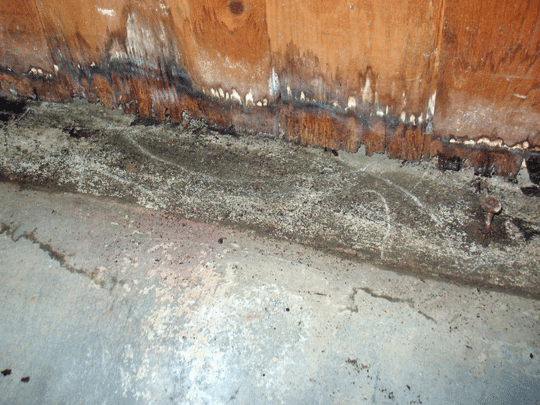
Water sitting against a foundation, even in modest amounts, can gradually work its way into the basement. Significant flooding isn’t required for this to cause damage. Repeated pooling after each rainfall contributes to moisture intrusion over time, and because the pipe is underground, the clog often isn’t apparent until water surfaces elsewhere.
This delay is part of why the issue can go unaddressed for extended periods.
How the Clog Gets Fixed
Resolving a clogged underground downspout extension typically involves:
- Rodding: Clearing the blockage from inside the extension line.
- Outlet inspection: Checking the buried outlet end, where debris buildup is common.
- Diagnosis: Confirming the underlying cause, since slow drainage isn’t always the result of a simple clog. In some cases, the pipe has shifted or collapsed underground and requires a different repair.
Reid & Pederson offers drain rodding service for underground extensions and can identify whether the issue extends beyond a standard blockage. If a broader drainage concern is found, our drain repair team can address it.
Preventing Future Clogs
The following steps help reduce the likelihood of future clogs:
- Gutter maintenance: Keep gutters clean to reduce the amount of debris entering the extension.
- Outlet checks: Inspect the outlet end periodically, particularly after heavy leaf fall or seed drop in spring.
- Warning signs: Watch for water pooling near the foundation after rain or downspouts draining more slowly than usual.
Schedule a Downspout Extension Inspection Today
Water pooling near your foundation after rainfall may indicate a clogged underground downspout extension. Reid & Pederson can inspect the line, clear any blockage, and confirm water is draining properly away from your home. Contact us to schedule an inspection.
South Suburbs

South Suburbs
NW Indiana
NW Indiana
Our Service Areas
Reliable Drain & Sewer Services Across South Suburban Illinois & Northwest Indiana
No matter where you are in the South Suburbs of Illinois or Northwest Indiana, our team is ready to provide top-tier drain and sewer services. From small residences to sprawling multi-unit complexes, we handle it all with efficiency, expertise, and care.