A Drainage Minute: The Reid & Pederson Drainage Blog
What Tree Roots Are Doing to Your Sewer Line Right Now
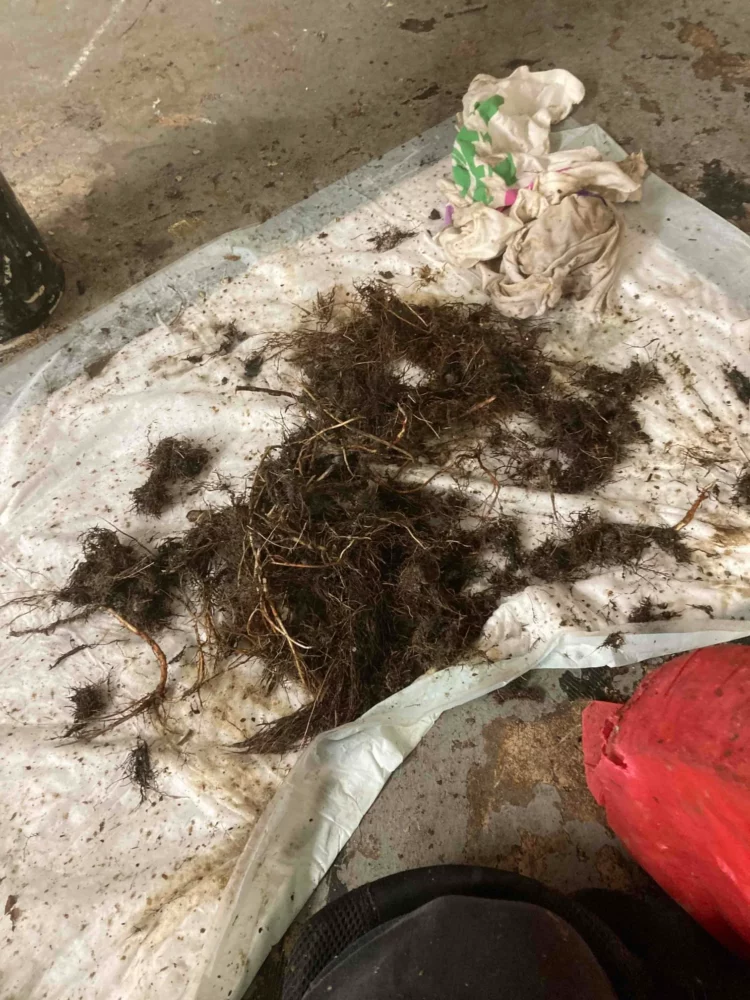
Summer is peak growing season, and that includes underground. While your yard looks healthy on the surface, tree roots may be doing serious damage to your sewer line without any obvious signs.
At Reid & Pederson Drainage, we see this more than any other issue during the warmer months, and it almost always gets caught later than it should.
Here’s what’s actually happening, what to watch for, and what your options are if roots have made their way into your pipes.
Why Summer Is the Worst Season for Root Intrusion
Tree roots follow moisture and nutrients. During dry summer months, the soil dries out while your sewer line stays warm and damp, which makes it a target. Roots can enter through cracks as small as 1/16 of an inch. Once inside, they branch out, catch debris, and restrict flow. Over time, they can crack or collapse the pipe entirely.
Older neighborhoods across the South Suburbs, where mature trees and aging clay or cast iron pipes tend to coexist, see this regularly. If your home was built before the 1980s and you have large trees near your sewer line, root intrusion is worth taking seriously.
Which Trees Cause the Most Damage
Not all trees carry the same risk. Some species have aggressive, wide-spreading root systems that are far more likely to find and penetrate your sewer line. The worst offenders in the Midwest include:
- Willow trees, which have some of the most water-seeking root systems of any tree
- Silver maple, a very common South Suburbs street tree with shallow, fast-spreading roots
- Poplar and cottonwood, both known for aggressive lateral root growth
- Oak trees, which grow slower but can send roots 2 to 3 times the width of their canopy
- Elm and ash, older specimens of which are common in pre-1980s neighborhoods throughout the area
Distance matters too. Roots can travel 20 to 30 feet or more from the base of a tree. A tree that looks far from your house may still be well within range of your sewer line.
What’s Happening Inside the Pipe
Early-stage root intrusion doesn’t look like thick, gnarly roots. It starts as fine tendrils clinging to the inside of the pipe. Over time, those tendrils thicken, catch debris, and build into a dense mat. The result is reduced flow, increased pressure on the pipe walls, and eventually cracking or collapse if nothing is done.
The most reliable way to know what’s going on is a video sewer inspection. A camera run through the line shows exactly what’s there, whether that’s root growth, pipe damage, offset joints, or buildup, so you’re not guessing.
What the Warning Signs Look Like
Root damage rarely announces itself all at once. The early signs are easy to write off:
- Slow drains across multiple fixtures, not just one
- Gurgling sounds from toilets or floor drains, especially after heavy rain
- A sewage smell near basement or floor drains
- Toilets that are sluggish or need multiple flushes
- Clogs that keep coming back shortly after being cleared
That last one is the clearest indicator. If you’ve had your line rodded and the problem returned within a few months, roots are likely involved. Clearing a clog and addressing what caused it are two different things.
What Happens If You Wait?
Root intrusion doesn’t stay manageable on its own. Here’s how it typically progresses if left alone:
- Fine root tendrils enter through small cracks or joint gaps
- Roots thicken and begin trapping grease, paper, and debris
- Flow restricts gradually, causing slow drains and occasional backups
- Root pressure widens existing cracks or creates new ones
- Pipe walls weaken, leading to collapse or significant offset
- Raw sewage backs up into the home or escapes into the surrounding soil
What could have been handled with a targeted repair turns into a conversation about sewer replacement. The homeowners who avoid the bigger repairs are almost always the ones who caught the problem early.
Your Repair Options
If an inspection confirms root intrusion, the right path depends on how much damage there is.
- Roots, no structural damage: If the pipe is intact, clearing the line may be enough for now. Staying on a sewer maintenance program is the most practical way to stay ahead of re-growth before it turns into a bigger issue.
- Roots with pipe damage: Sewer lining is often the right call here. A new pipe is inserted inside the damaged one, no digging required in many cases, and the entry points roots used get sealed off. It’s one of the more cost-effective ways to address root damage while extending the life of your existing line.
- Significant structural failure: When a pipe is collapsed or severely offset, sewer repair or full replacement may be the only option. It’s more involved, but it solves the problem completely.
Can You Prevent Root Intrusion?
There’s no way to fully eliminate the risk, but there are practical steps that reduce it:
- Have a camera inspection done every 2 to 3 years if you have mature trees near your sewer line
- Enroll in a routine maintenance program to catch early root growth before it causes damage
- Avoid planting water-hungry trees like willows or silver maples near your sewer line or lateral
- If you’re doing any landscaping, know where your sewer line runs before you plant
- Consider sewer lining as a proactive measure on older pipes, which creates a seamless interior that’s much harder for roots to penetrate
The Right Time to Check Is Before Something Fails
Summer is when root activity peaks, which makes it the right time to get ahead of it. If your home has mature trees, older pipes, or a history of slow or recurring drain issues, a camera inspection is a straightforward way to find out where things stand.
Reid & Pederson serves homeowners throughout Crete, Frankfort, Mokena, Tinley Park, and communities across the South Suburbs and Northwest Indiana.
Schedule an appointment and get a clear picture of what’s going on in your line before it turns into an emergency
South Suburbs

South Suburbs
NW Indiana
NW Indiana
Our Service Areas
Reliable Drain & Sewer Services Across South Suburban Illinois & Northwest Indiana
No matter where you are in the South Suburbs of Illinois or Northwest Indiana, our team is ready to provide top-tier drain and sewer services. From small residences to sprawling multi-unit complexes, we handle it all with efficiency, expertise, and care.