A Drainage Minute: The Reid & Pederson Drainage Blog
Summer Drain & Sewer Tips We Follow at Our Own Homes
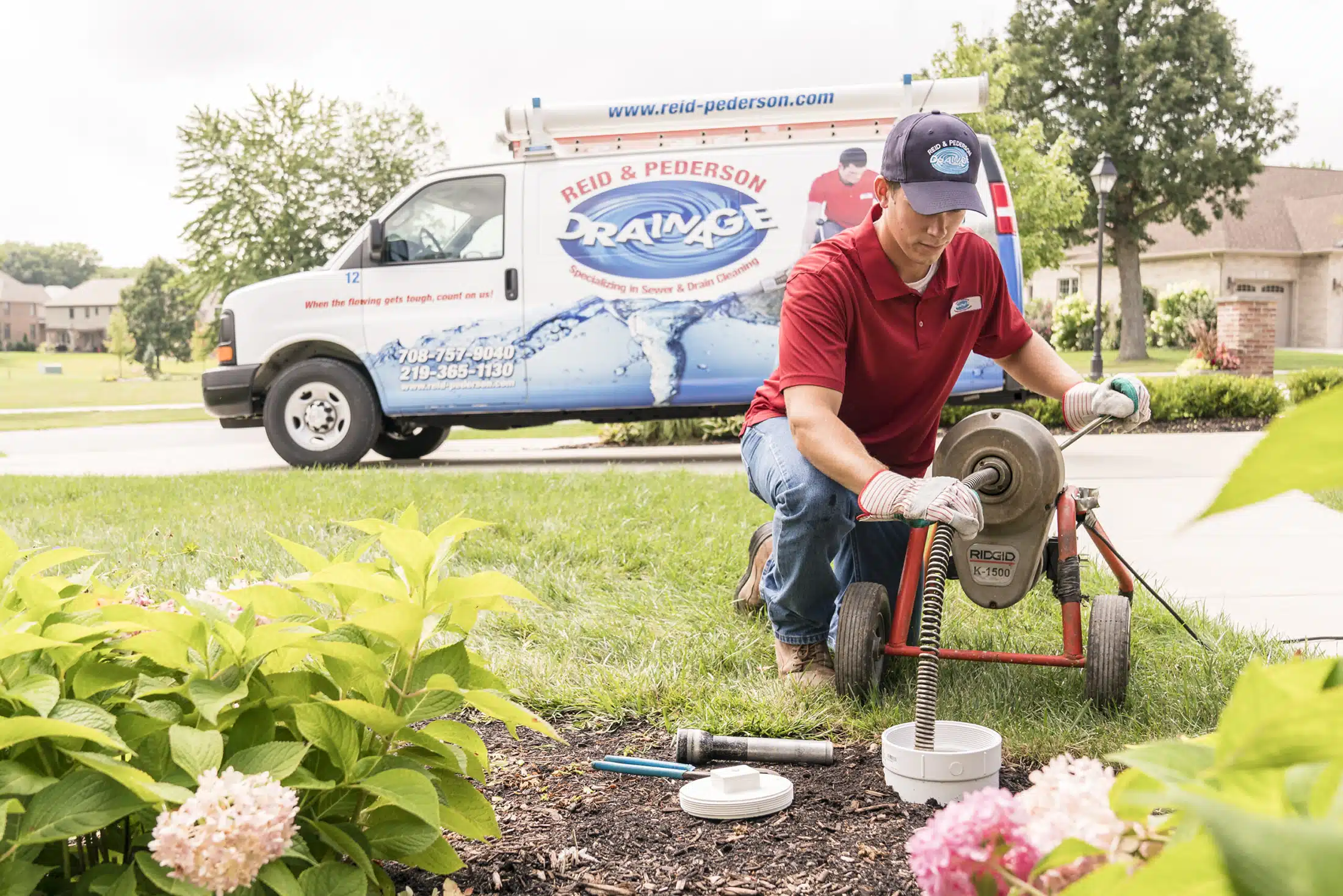

At Reid & Pederson Drainage, the owners and staff don’t just give this advice to customers — we follow it at our own homes, too. Before summer BBQs, family parties, and long weekends outside, these are the kinds of things we check around our own houses to help prevent clogged drains, sewer backups, wet basements, and other avoidable plumbing headaches.
Some of these items are simple homeowner maintenance tips, and some may require a professional. If Reid & Pederson Drainage doesn’t perform a specific type of work, we may know a trusted contractor who does.
Summer is the season for backyard BBQs, graduation parties, family gatherings, and weekends with friends. But while you’re planning the food, cleaning the patio, and firing up the grill, there’s one part of your home you don’t want to forget: your drainage system.
More guests, more cooking, more water usage, and summer storms can all put extra strain on your drains, sewer line, floor drains, gutters, and downspouts. A little prevention now can help you avoid a messy backup later.
Here are a few simple summer drainage tips from Reid & Pederson Drainage to help keep your home flowing smoothly all season long.
Remind Guests: Wipes Don’t Belong in the Toilet
When guests are over for summer parties, your bathrooms may get more use than usual. That makes this a good time to remind everyone that toilets are not trash cans.
Even wipes labeled “flushable” can cause problems in your sewer line. They do not break down like toilet paper and can collect with grease, hair, roots, and other debris already inside the pipe. Over time, that can lead to a slow drain, toilet backup, or full sewer blockage.
The safest rule is simple: only toilet paper and human waste should be flushed. Keep a lined trash can in each bathroom so guests have an easy place to dispose of wipes, paper towels, feminine hygiene products, cotton swabs, dental floss, and other items that should never go down the toilet.
Check the Floor Drain Near Your Air Conditioning Condensation Line
During hot summer weather, your air conditioner works hard. As it runs, it creates condensation that often drains into a floor drain, laundry drain, or nearby basement drain.
If that drain is clogged or slow, you may not notice right away. But once the AC starts producing more water, a blocked drain can lead to standing water on the basement floor.
Before the hottest weather hits, take a minute to test the floor drain where your AC condensation line drains. Slowly pour water into the drain and watch to make sure it goes down properly. If the water drains slowly, backs up, or brings up debris, it may be time to have the drain checked before it becomes a bigger issue.
A small test now can help prevent a wet basement later.
Keep BBQ Grease Out of the Drain
BBQs can be a greasy situation. Burgers, brats, ribs, bacon-wrapped appetizers, marinades, dips, and cooking oils can all leave behind grease and fat. But no matter how tempting it may be to rinse greasy pans in the sink, grease should never go down the drain.
Grease may look like liquid when it’s hot, but as it cools, it thickens and sticks to the inside of your pipes. Over time, that buildup can restrict water flow and catch food particles, soap residue, and other debris. Eventually, the drain can clog completely.
Instead of pouring grease into the sink, let it cool and place it in a disposable container. Wipe greasy pans with a paper towel before washing them. Scrape plates into the trash before rinsing them. These small habits can go a long way toward protecting your kitchen drain and sewer line.
Turning on the Hose for the First Time? Check the Basement
If you haven’t used your outdoor hose in a while, take a quick look inside when you turn it on for the first time.
Winter freezing and thawing can sometimes damage pipes connected to outdoor spigots. A break may not be obvious from outside, especially if the hose seems to be working normally. But inside the basement, crawlspace, or utility area, water may be leaking from a split pipe.
When you turn on your hose for the first time in spring or summer, let it run for a minute, then check the area inside the home where that pipe enters. Look for dripping water, damp walls, puddles, or any sign of a leak.
Catching a broken hose pipe early can help prevent water damage, mold issues, and expensive repairs.Best practice– disconnect hoses when you wrap things up for the winter.
Clean Gutters and Extend Downspouts Away From the House
Summer storms can dump a lot of water on your roof in a short amount of time. Your gutters and downspouts are designed to move that water away from your home, but they can only do their job if they’re clean and flowing properly.
Leaves, sticks, roof grit, seed pods, and other debris can clog gutters and downspouts. When that happens, water can overflow near the foundation, pool around the house, or contribute to basement moisture problems.
Make sure your gutters are clear and your downspouts are moving water away from the foundation. As a general rule, downspouts should extend at least 5 feet away from the house whenever possible.
If your downspouts run underground and they are not flowing properly, Reid & Pederson Drainage can help clean underground downspout lines that are clogged or not draining right. Underground downspout extensions can become blocked with leaves, roof debris, dirt, roots, or other buildup. If water is backing up, overflowing, or pooling where it shouldn’t, it may be time to have the line checked.
Not Sure Who to Call? Start With Reid & Pederson Drainage
Home maintenance can involve a lot of different trades. Some issues are drain or sewer related, while others may require a plumber, HVAC contractor, gutter company, waterproofing contractor, or another professional.
If you’re not sure whether your issue is something Reid & Pederson Drainage handles, give us a call. If it is a drain, sewer, floor drain, or underground downspout issue, we’ll let you know how we can help. And if it’s not work we perform, we may be able to point you toward a contractor who does.
A Little Summer Drain Maintenance Goes a Long Way
Summer should be about enjoying your home, not dealing with a sewer backup, clogged kitchen sink, wet basement, or drainage issue.
Before your next BBQ or family gathering, take a few minutes to check the basics: don’t flush wipes or anything that does not belong in the toilet, test the floor drain connected to your AC condensation line, keep grease out of the kitchen drain, check the basement when you turn on your outdoor hose, and make sure gutters and downspouts are clean and draining away from the house.
These are the same kinds of simple checks the owners and staff at Reid & Pederson Drainage do at their own homes because prevention is always better than cleanup.
Need drain or sewer help this summer? Contact Reid & Pederson Drainage today to schedule service!
South Suburbs

South Suburbs
NW Indiana
NW Indiana
Our Service Areas
Reliable Drain & Sewer Services Across South Suburban Illinois & Northwest Indiana
No matter where you are in the South Suburbs of Illinois or Northwest Indiana, our team is ready to provide top-tier drain and sewer services. From small residences to sprawling multi-unit complexes, we handle it all with efficiency, expertise, and care.