A Drainage Minute: The Reid & Pederson Drainage Blog
Why Your Sewer Backs Up During Heavy Rain (And When It’s Not Your Fault)
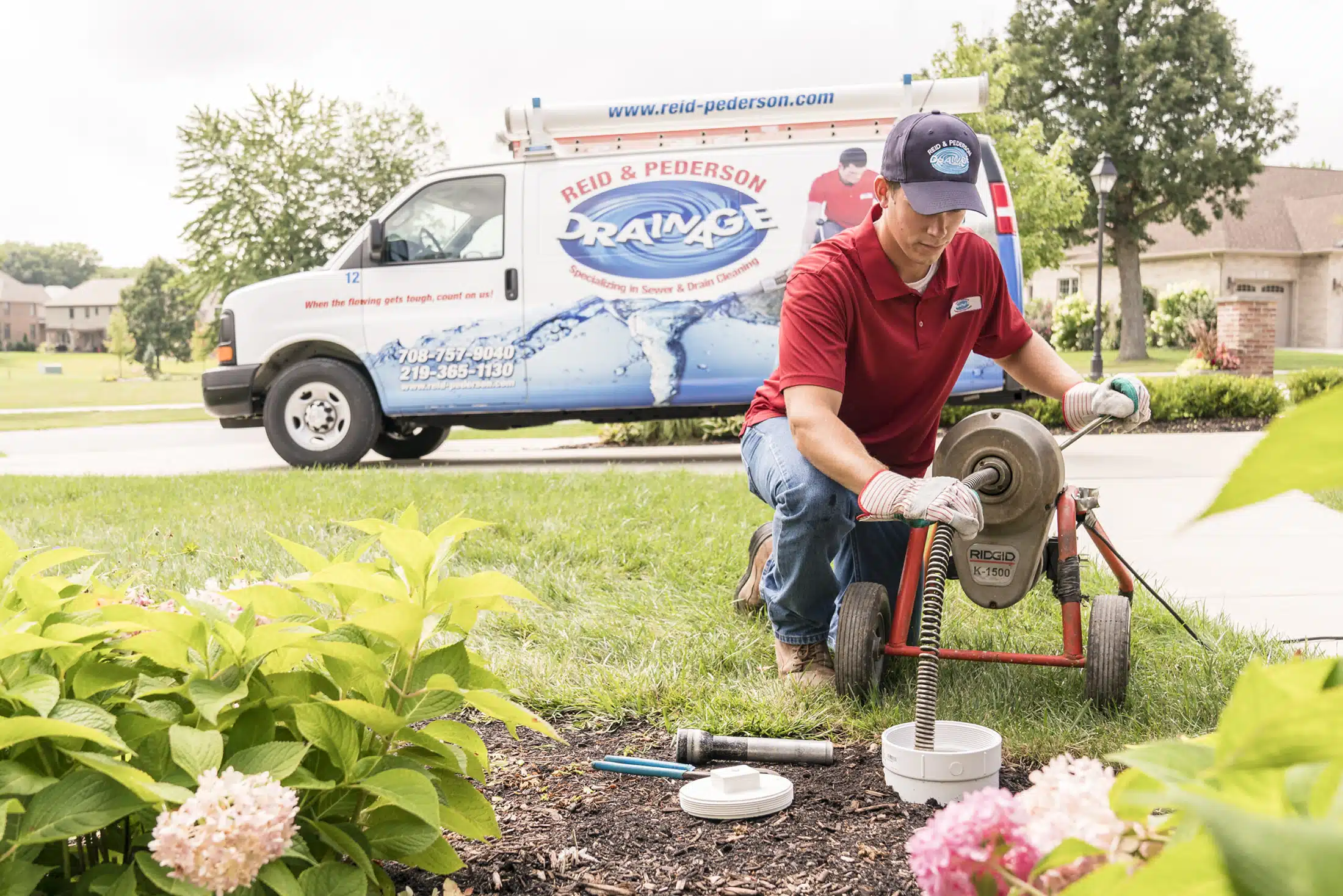
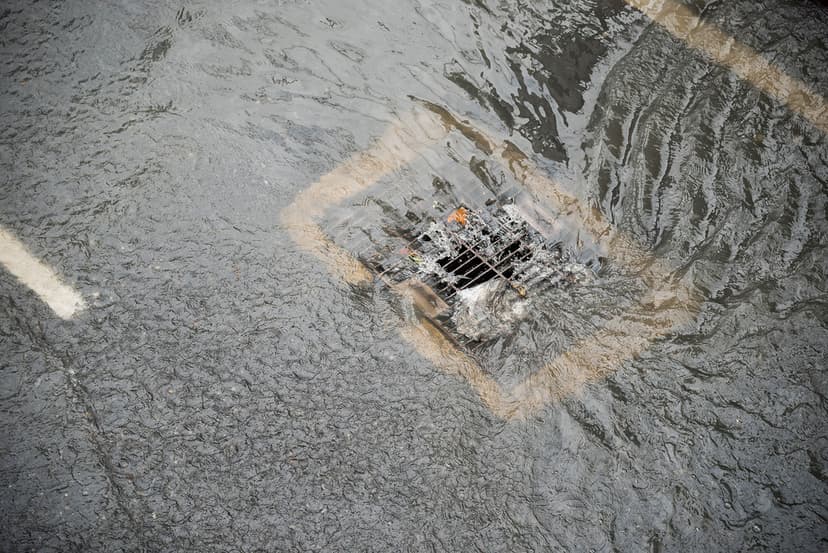
There’s a specific kind of dread that comes with watching water creep up from your basement floor drain during a downpour. Your brain immediately jumps to worst-case scenarios: cracked pipe, root invasion, a repair bill with too many zeros.
But here’s something a lot of homeowners in the South Suburbs and Northwest Indiana don’t realize: sometimes, your sewer line has nothing to do with it. The culprit might be outside your property entirely, and no amount of drain cleaning will fix what’s happening out in the street.
At Reid & Pederson Drainage, we get a surge of calls every time a heavy storm rolls through the Crete area. A big part of what we do is help people understand what’s actually going on before they spend money on a fix that won’t help.
What Happens to Sewer Systems During Heavy Rain
Most municipal sewer systems in older communities — and there are plenty across Will County, Cook County, and Lake County, Indiana — were built as combined systems.
That means stormwater runoff and household wastewater share the same pipes.
During a normal rain shower, that’s fine. During a sustained heavy downpour, it’s a different story. When several inches of rain fall in a short window, an enormous volume of water floods into that combined system all at once. Once the pipe capacity is maxed out, water has nowhere to go.
So it backs up. And it finds the lowest accessible point it can, which is usually a floor drain or utility sink in your basement.
Your pipes didn’t fail. Your system isn’t clogged. The city’s infrastructure just got overwhelmed.
Signs the Problem Might Be the City Sewer (Not Your Line)
This kind of storm-related backup has some pretty recognizable patterns. If you’re seeing several of these, there’s a good chance it’s a municipal overload situation rather than a problem on your property:
- Backups only happen during or right after heavy rain, never any other time
- Everything clears up on its own once the storm passes
- Neighbors on your street are reporting the same issue
- Your drains run perfectly fine the rest of the year
- No history of slow drains, gurgling, or recurring blockages between rain events
If this describes your situation, you’re probably not dealing with a sewer line problem. You’re dealing with a capacity problem, and the fix isn’t in your basement.
We’ve written more about this in Spring Melt Warning Signs: Is Your Sewer Line Ready for Heavy Rain? if you want to dig deeper into the seasonal side of things.
Why Drain Cleaning Won’t Fix This Type of Backup
This is worth saying plainly: if your sewer line is backing up because of a city system overload, cleaning your line will not help.
When the municipal system is overwhelmed, wastewater is essentially being pushed backward toward your home. A clear, freshly cleaned pipe still can’t drain when there’s nowhere for the water to go on the other end.
The problem is upstream of your property, and no service you hire changes that. Knowing this upfront saves you from spending money on something that won’t make a difference.
What You Should Do During a Heavy Rain Backup
If you’re in the middle of a storm and drains are starting to back up, here’s a practical game plan:
- Stop using water in the house immediately. Showers, laundry, dishwasher, all of it. Every extra gallon adds pressure to an already-overwhelmed system.
- Watch your lower-level drains. Basement floor drains and utility sinks are usually the first to show signs.
- Document everything. Date-stamped photos and video matter if you want to report the issue or pursue any compensation from the municipality later.
- Call your village or municipality to report the backup. A pattern of complaints can actually push infrastructure improvements forward.
It’s also worth making sure your sump pump or ejector pump is working properly before storm season. These systems are your first line of defense when the ground is saturated.
For more on prevention, our post Why Basement Floor Drains Back Up During Heavy Rain is a good next read.
How Reid & Pederson Can Help
Even when the issue stems from the city system, it’s worth having your line inspected, especially if this happens every year.
A video sewer inspection gives us a real-time look inside your pipe. We can confirm whether your line is clear and structurally sound, identify any existing damage that might be compounding the problem, and give you documentation to use when reporting the issue to your municipality.
If we find the line is in good shape, we’ll tell you that directly. If we find a problem, we’ll walk you through what it is and what your options look like, whether that’s sewer lining to rehabilitate a damaged section, a targeted repair, or in more serious cases, sewer replacement.
But the first step is always knowing what you’re actually dealing with.
When It Is Your Sewer Line
To be fair, rain-triggered backups aren’t always the city’s fault. Sometimes a heavy storm just stress-tests an existing problem in your line. Watch for these signs:
- Slow drains that happen in dry weather too, not just during storms
- Gurgling sounds from toilets or drains when water runs elsewhere in the house
- Blockages that keep coming back every few months
- Older cast iron or clay pipes that haven’t been inspected recently
- Trees anywhere near your sewer line (root intrusion is extremely common across the South Suburbs)
If any of those sound familiar, the issue is likely structural or blockage-related, and getting eyes on the line sooner is worth it. Staying enrolled in a sewer maintenance program is one of the best ways to catch these problems before a backup forces your hand.
Not Sure Which Situation You’re Dealing With?
That’s a completely normal place to be. The difference between a city system overload and a problem with your own line isn’t always obvious from inside your basement.
The good news is that a professional inspection can answer that question quickly, and honestly.If you’re dealing with storm-related backups in Crete, Homewood, Park Forest, Tinley Park, or anywhere across Northwest Indiana, reach out to Reid & Pederson. We’ll help you figure out exactly where the problem starts, and what actually makes sense to do about it.
South Suburbs

South Suburbs
NW Indiana
NW Indiana
Our Service Areas
Reliable Drain & Sewer Services Across South Suburban Illinois & Northwest Indiana
No matter where you are in the South Suburbs of Illinois or Northwest Indiana, our team is ready to provide top-tier drain and sewer services. From small residences to sprawling multi-unit complexes, we handle it all with efficiency, expertise, and care.