A Drainage Minute: The Reid & Pederson Drainage Blog
Why Your Water-Saving Toilet Keeps Clogging Older Pipes (And What to Do About It)
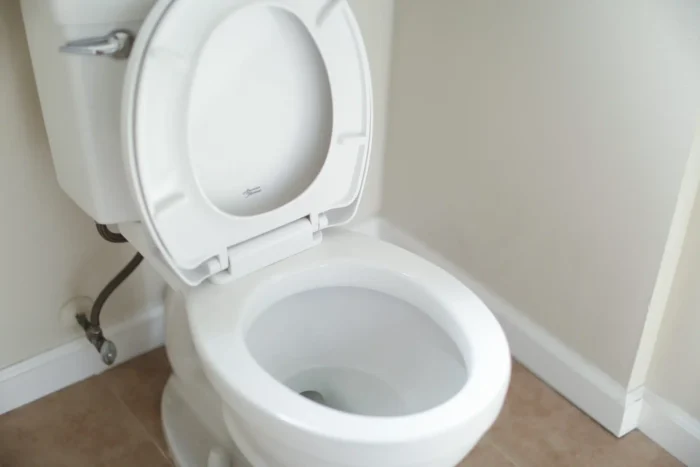
A water-saving toilet should mean a lower water bill and less waste. In many older homes, it means something else: a toilet that clogs far more often than the one it replaced.
Reid & Pederson Drainage sees this regularly across Crete and the South Suburbs, and the toilet itself is rarely the whole story.
The cause is usually downstream, in pipes that were built for a very different kind of flush.
The Math Behind the Modern Flush
Toilets installed before the early 1990s used 3.5 to 7 gallons per flush. Federal standards since then have capped new toilets at 1.6 gallons, and many of today’s models use as little as 1.28. That’s a significant drop in volume, and volume is what moves waste through your plumbing.
The extra water in an older toilet did real work. It carried solids and paper the full length of the drain line and out to the sewer. Reduce the water by roughly half and you reduce that carrying power along with it. Plumbers refer to this as drainline carry, meaning the distance waste travels before the water loses momentum. In a newer home with smooth, properly sloped pipes, a smaller flush handles this without issue. In an older home, it often doesn’t.
Why Older Pipes and Low-Flow Toilets Clash
Homes around Crete and Northwest Indiana frequently have decades of plumbing history below the floor, and several conditions work against a lower-volume flush:
- Corroded pipe walls. Older cast-iron and galvanized lines develop rough, scaled interiors over time. A high-volume flush had enough force to clear those surfaces. A low-flow flush does not, so paper and waste snag and accumulate.
- Improper slope. Drain pipes need a pitch between roughly 1/8 and 1/4 inch per foot. Too flat and water sits without moving waste; too steep and the water outruns the solids. Older homes predate consistent slope standards.
- Bellies and low spots. Where a section of pipe sags, water pools in the dip. Waste settles there and gradually forms a blockage.
- Narrowed lines. Grease, mineral scale, and years of buildup reduce the space inside the pipe, leaving even less room for a lighter flush to work.
Introduce a 1.28-gallon flush to any of these conditions and the water runs out of energy before the job is done.
Signs the Pipes Are the Real Problem
An occasional clog is normal. A pattern is a signal. Watch for:
- Frequent clogs that clear easily but keep returning
- Slow drainage even after plunging
- Gurgling from the toilet or nearby drains
- More than one fixture backing up at the same time
- Regularly needing a second flush, which cancels out the water savings the toilet was meant to provide
When several of these appear together, the issue is usually in the line rather than the bowl. That’s the point to have someone look inside the pipe. A camera inspection shows exactly what’s happening below the surface, whether it’s corrosion, a belly, a slope problem, or buildup that isn’t visible any other way.
Fixing It Without Tearing Up Your Yard
Identifying the cause doesn’t require excavating the property. Once the problem is clear, the solution generally falls into one of a few categories.
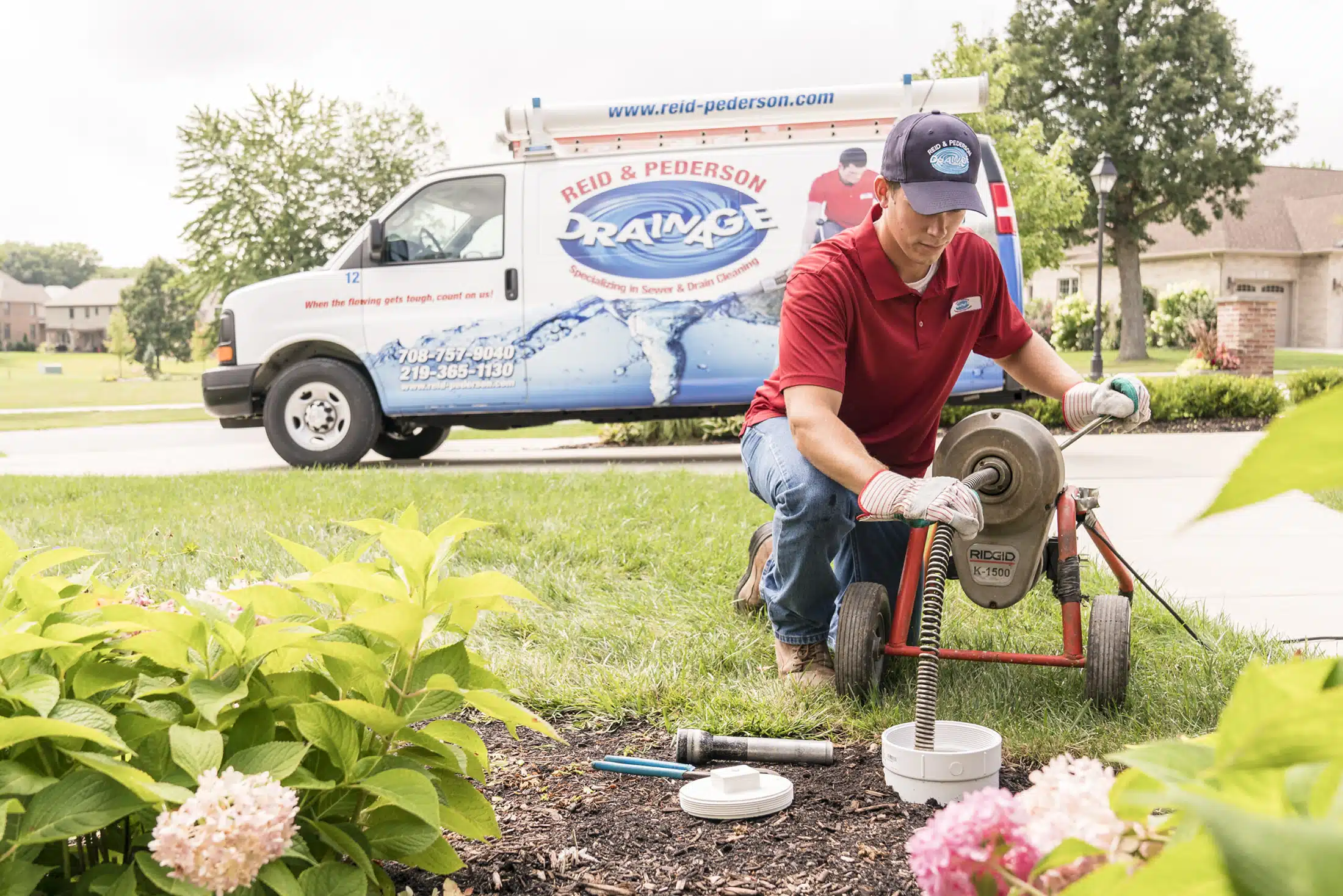
For buildup, a thorough sewer rodding clears the line and restores flow. For a pipe that’s rough or cracked, trenchless sewer lining rebuilds it from the inside without excavation, giving a low-flow flush a smooth surface to travel through again. For lines beyond repair, sewer replacement brings the system up to current standards. And if a backup is already underway, our emergency services team is available around the clock throughout the South Suburbs and Northwest Indiana.
In some cases the fixture itself is at fault, such as a weak flush valve or a flapper that closes too early. Toilet repair restores proper flushing power without any work on the pipes.
What You Can Do on Your Own
A few habits reduce strain on an older system:
- Use less toilet paper per flush, and avoid thick, quilted brands that break down slowly
- Don’t flush wipes, including those labeled flushable
- Hold the handle for a complete flush rather than a quick tap
- Address early warning signs before a minor clog becomes a backup
If you’re replacing a toilet in an older home, a pressure-assisted model flushes with more force while still conserving water, which makes it a practical middle ground.
Staying Ahead of It
The most dependable way to keep an older home flowing is consistent maintenance. Our sewer maintenance program catches buildup and minor issues before they become larger problems, which matters more when your fixtures are sending less water through aging lines.
Talk to the Crete Drainage Experts
If your water-saving toilet has become a recurring problem, Reid & Pederson Drainage can identify the cause and correct it. We’ve kept homes across Crete, the South Suburbs, and Northwest Indiana running smoothly for more than 40 years.
Schedule your appointment and we’ll take it from there.
South Suburbs

South Suburbs
NW Indiana
NW Indiana
Our Service Areas
Reliable Drain & Sewer Services Across South Suburban Illinois & Northwest Indiana
No matter where you are in the South Suburbs of Illinois or Northwest Indiana, our team is ready to provide top-tier drain and sewer services. From small residences to sprawling multi-unit complexes, we handle it all with efficiency, expertise, and care.